
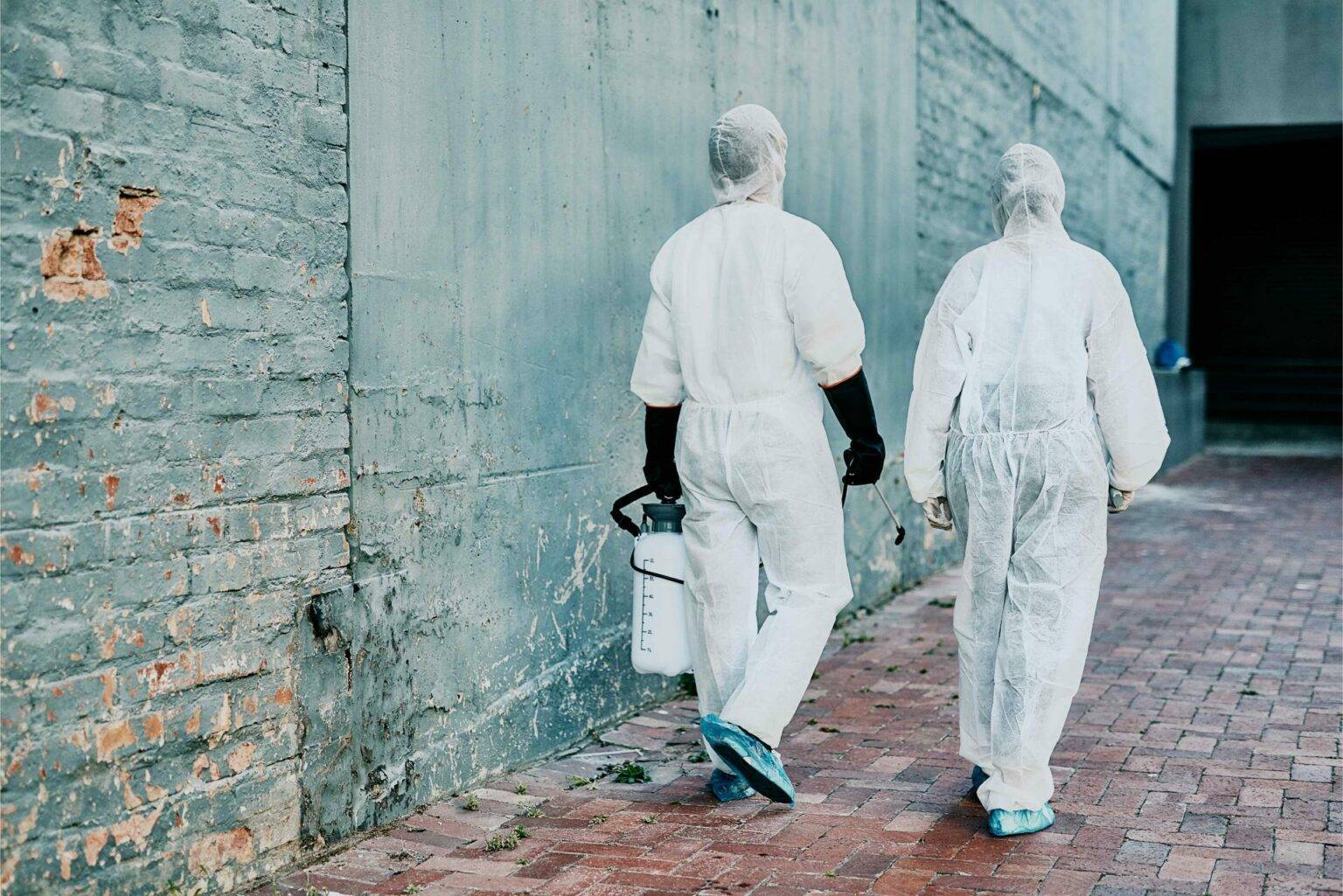
What counts as contaminated rubbish?
Contaminated rubbish is waste that is hazardous to handle or dispose of normally. It needs protective equipment, the right containers and disposal at facilities approved for that waste type.
- Needles, syringes and other sharps
- Drug paraphernalia and items from meth labs
- Waste soiled with blood, bodily fluids or human waste
- Chemical containers and solvents
- Mouldy or flood soaked items and materials
- Contaminated items removed during decontamination
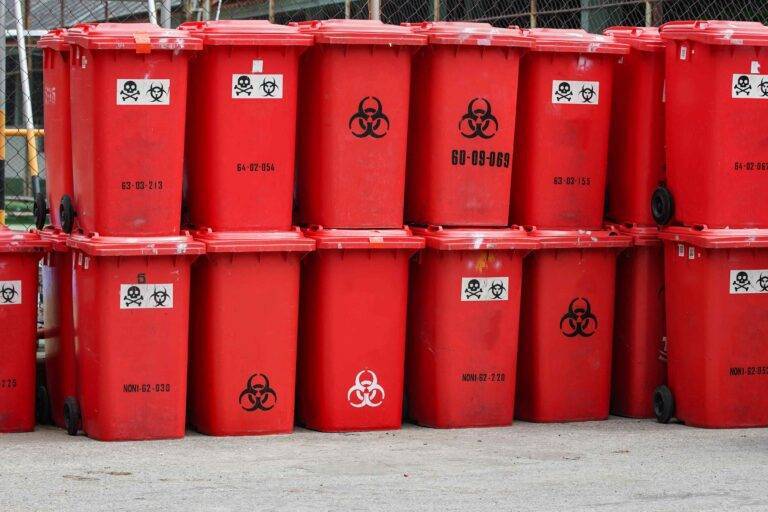
How we remove it
Assessment
We identify the types of waste and any hazards.
Safe collection
Technicians in protective equipment collect, separate and seal waste in the right containers.
Transport and disposal
Waste is taken to approved facilities, with general rubbish recycled where possible.
Clean up
Affected areas are cleaned and sanitised.
Found a needle? Don't try to recap it. If you must move it, use tongs and place it point first in a rigid sealed container, then call us or your local council.
Who we help
- Landlords and property managers clearing properties after difficult tenancies.
- Councils and housing providers dealing with dumped and hazardous waste.
- Businesses with sharps or biohazards found on site.
- Families and executors clearing deceased estates.
- Builders and developers clearing vacant sites before work starts.
Why contaminated waste needs special handling
General waste services aren't designed for needles, biohazards or chemicals. Mixing them into a skip puts waste workers at risk and can breach environmental rules. Contaminated waste must be separated, contained in the right packaging, transported correctly and taken to a facility approved to accept it.
Never put needles, syringes or chemical containers in household or skip bins.
Why a professional clean up is important
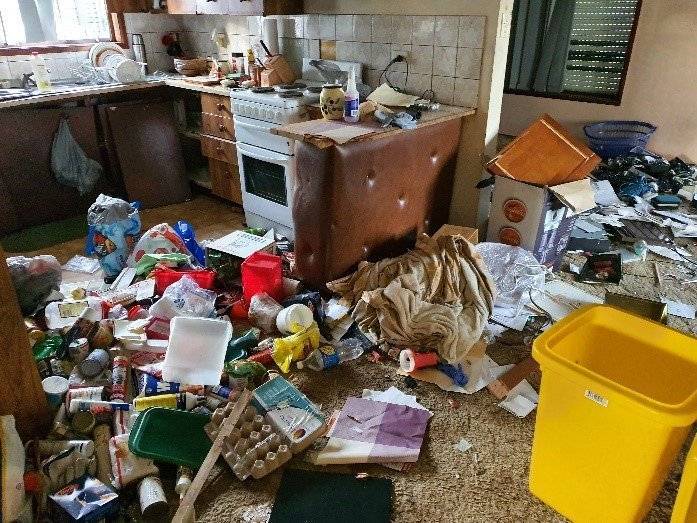
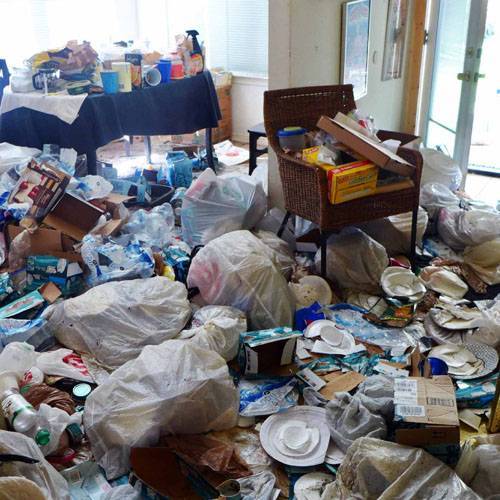
Properties affected by hoarding, squatting or dumped waste often hide hazards you can't see, including needles, mould, pests, human waste and drug residue. Professional clean ups remove those hazards safely, not just the visible mess.
What can happen if it's left?
- Fire risk from accumulated paper, rubbish and blocked exits.
- Sharps injuries to owners, agents, tradespeople and neighbours.
- Pests and vermin spreading to neighbouring properties.
- Council orders to clean up overgrown or unsafe properties.
- Insurance issues if a vacant property isn't maintained.
- Structural damage from leaks, weight and mould.
Frequently asked questions
Can contaminated rubbish go in a skip bin?
No. Sharps, biohazards and chemical waste are not allowed in general skips and must be disposed of at approved facilities.
Do you remove rubbish from yards?
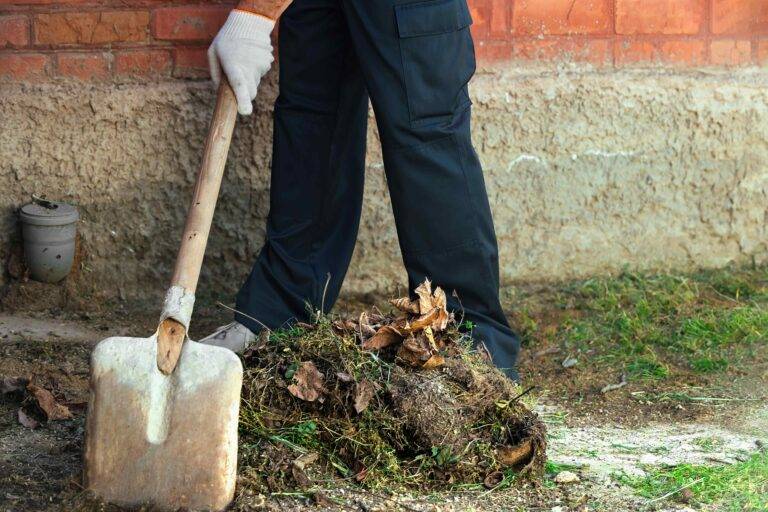
Yes, see yard remediation and clean up.
Can you remove asbestos waste?
Asbestos must be removed and disposed of under specific rules. See asbestos removal.
Do you provide disposal records?
We can provide documentation showing contaminated waste was disposed of appropriately.
How quickly can rubbish be removed?
Most jobs can be scheduled quickly. Large or hazardous clean ups are planned in stages.