
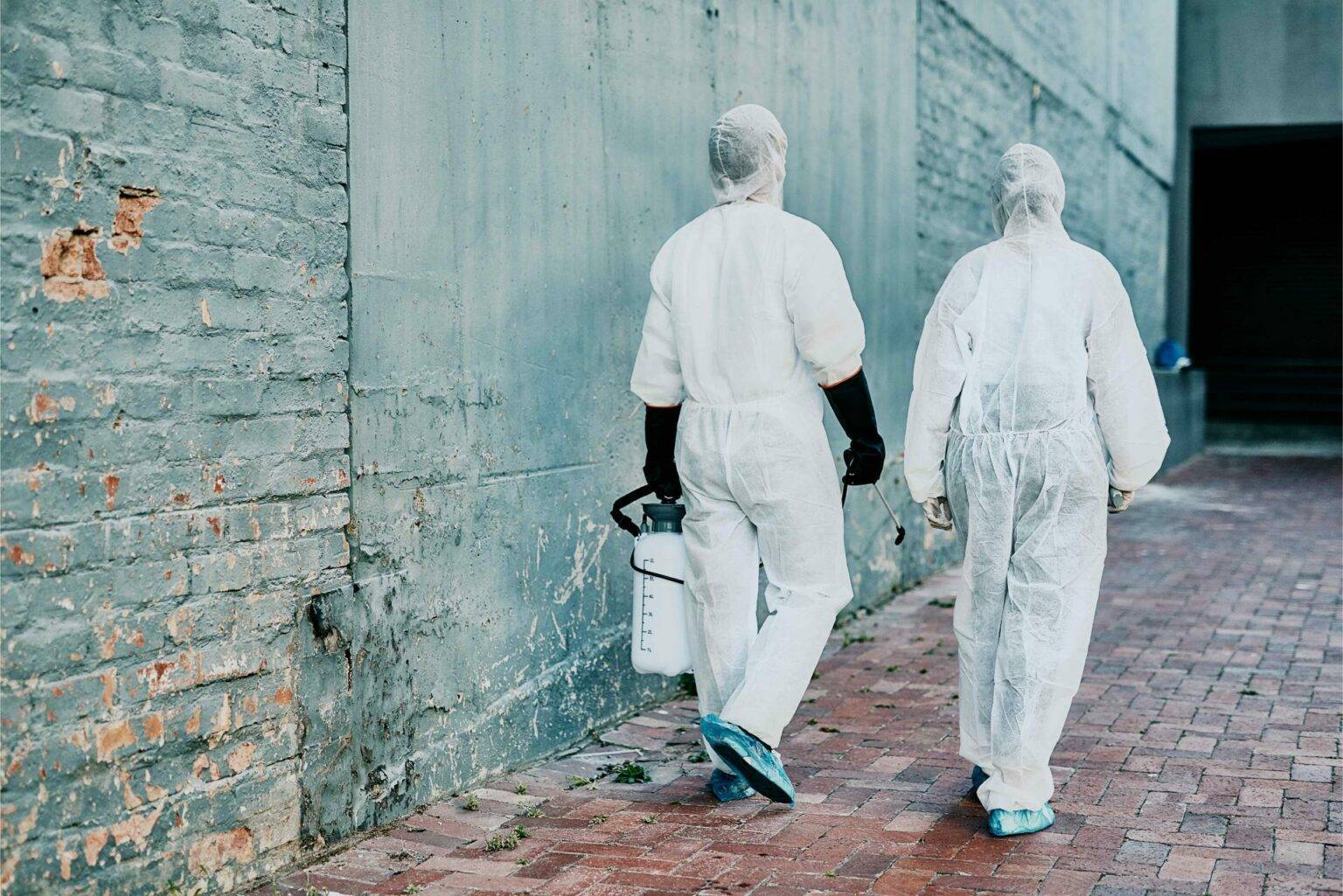
Act fast to limit the damage
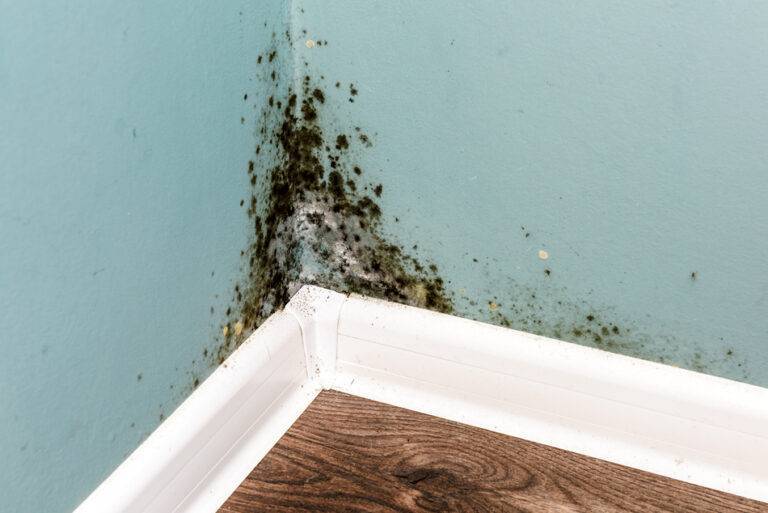
Water damage gets worse by the hour. Wet carpet, underlay, plasterboard and timber can start growing mould within 24 to 48 hours, so extraction and drying should start as soon as it's safe.
With over a decade of experience, our team has helped residential and commercial customers recover from floods across Australia, including Brisbane and Sydney. We handle everything from a burst pipe in one bathroom to a commercial building affected by river flooding.
Our water damage restoration services
- Emergency water extraction from carpets, floors and cavities
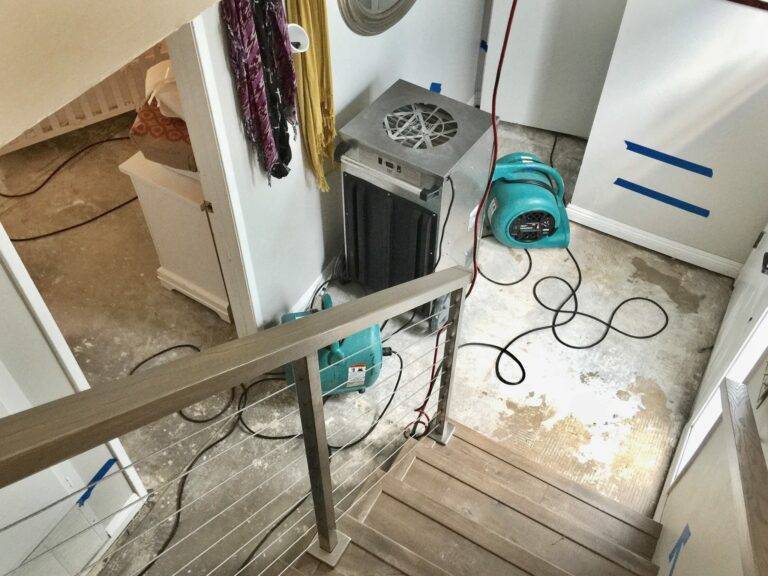
- Structural drying with air movers and dehumidifiers, monitored until dry
- Carpet and underlay drying, or removal where it can't be saved
- Sewage and flood water clean up with sanitising of affected areas
- Mould prevention and mould remediation if it has already started
- Odour removal and steam cleaning
What to do while you wait
- Turn off power to affected areas if it is safe to do so
- Stop the water source if you can, such as the mains tap
- Move furniture, electronics and valuables off wet floors
- Take photos for your insurance claim
- Stay out of sewage or flood water, which can be contaminated
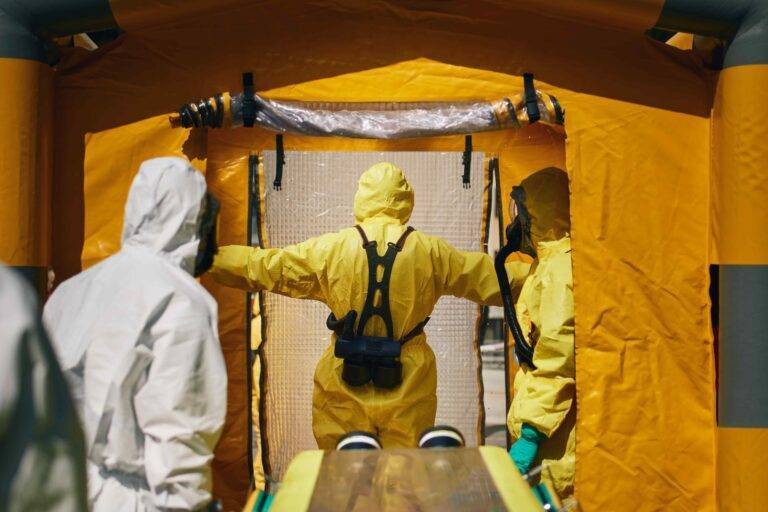
Flood and sewage water can carry bacteria and chemicals. Wear gloves and boots, and keep children and pets away.
Buy or hire drying equipment
Handling a small leak yourself, or running a restoration business? You can buy in bulk or hire the same equipment we use: the AP110002 air mover and the A1-45LGR commercial dehumidifier. See all equipment sales and hire.
Types of water damage
The restoration industry groups water damage by how contaminated the water is. The category decides what can be dried and saved and what must be removed.
| Category | Source | What it means |
|---|---|---|
| Clean water | Burst water pipes, overflowing sinks, rain through a roof | Carpets and materials can often be dried and saved if work starts quickly. |
| Grey water | Washing machine or dishwasher overflows, some appliance leaks | Contains contaminants. Sanitising is needed, and some porous items may need replacing. |
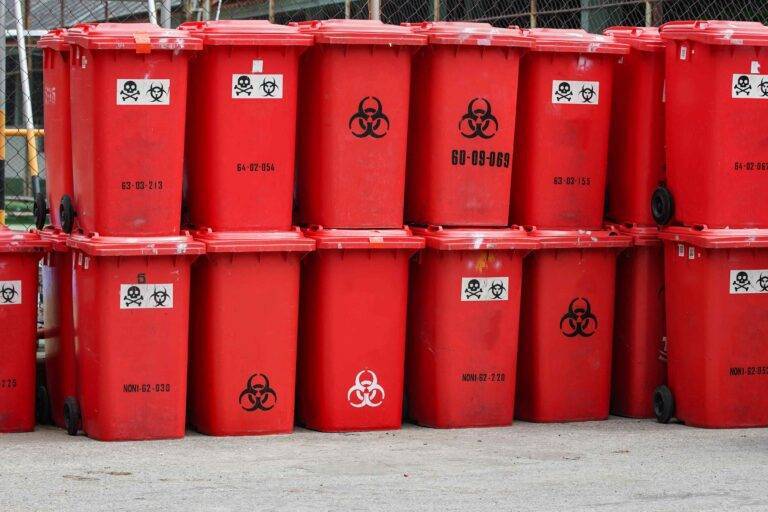
| Black water | Sewage, river and flood water, storm surge | Heavily contaminated. Most porous materials such as carpet, underlay and plasterboard must be removed and the area sanitised. |
Clean water left standing for a day or two can become grey water, and grey water can become black water. That's why speed matters so much.
Flooding in Australia
Australia's climate swings between drought and flood. Flash floods can rise within minutes when heavy rain falls on small catchments, while slow floods build over days or weeks as rivers rise. East coast lows, cyclones in the north and summer storms all bring water into homes and businesses every year.
Floods damage far more than carpet. Water wicks up plasterboard, soaks into timber frames and subfloors, and carries sewage, chemicals and silt into the home. Without proper drying and sanitising, mould and odours follow.
Real time moisture monitoring and reporting
Surfaces can feel dry long before the materials underneath are. We measure moisture in floors, walls and framing, record readings throughout the drying process, and only finish when materials are back to normal levels. Those records also support your insurance claim.
- Moisture readings taken at the start and throughout drying.
- Equipment positioned and adjusted based on the readings.
- Photos and documentation for your insurer.
- A clear sign-off when the property is dry.
Quick carpet drying after cleaning or spills
Not every job is a flood. Carpet that stays damp after steam cleaning, a spilt bucket or a leaking washing machine can develop odours and mould within days. Our air movers and dehumidifiers dry carpet and underlay quickly. You can also buy or hire air movers and commercial dehumidifiers for smaller jobs.
Help with your insurance claim
- Contact your insurer as soon as possible and follow their instructions.
- Take photos and videos before anything is moved.
- Keep damaged items until your insurer says they can be discarded, where it's safe to do so.
- Ask us for moisture records, photos and an itemised scope to support the claim.
Why fast water damage restoration matters
Water spreads into walls, subfloors and furniture within hours, and mould can begin growing within 24 to 48 hours. The faster water is extracted and the building dried, the less needs to be replaced.
What can happen if water damage isn't dried properly?
- Mould growth inside walls, under floors and in carpet.
- Swollen and rotting timber, warped floors and cabinetry.
- Electrical hazards where water reaches wiring and power points.
- Odours that persist long after surfaces feel dry.
- Insurance problems: most insurers expect you to act quickly to reduce further damage.
Frequently asked questions
Is water damage covered by insurance?
Many home and contents policies cover sudden water damage such as burst pipes and storms, while flood cover varies. Check your policy. We can provide documentation to support your claim.
Can wet carpet be saved?
Often, yes, if drying starts quickly and the water was clean. Carpet soaked by sewage or flood water usually needs to be replaced.
How long does drying take?
Most properties take three to five days to dry, depending on materials, the amount of water and the weather. We monitor moisture until it's back to normal.
How quickly should water damage be dried?
As soon as it's safe. Mould can start growing within 24 to 48 hours, so extraction and drying should begin straight away.
Do I need to remove wet plasterboard?
Not always. Plasterboard wet with clean water can often be dried. Plasterboard affected by sewage or flood water usually needs to be cut out and replaced.
Is it safe to stay in the house during drying?
Often, yes, if the water was clean and power is safe. If sewage or flood water was involved, we'll advise on whether it's safe to stay.
Can you dry timber floors?
Many timber floors can be dried with specialist equipment if work starts quickly. Some cupping or swelling may still need repair once dry.