

Why mould keeps coming back
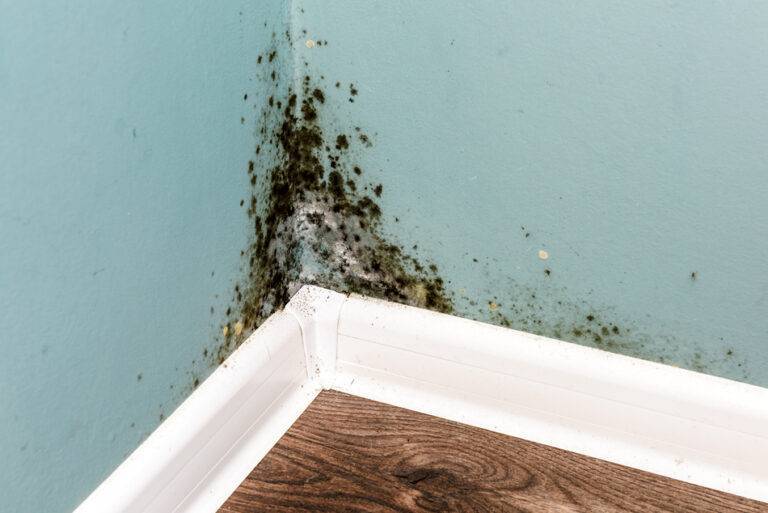
Mould keeps returning because the moisture feeding it hasn't been fixed. Bleach and surface sprays change the colour of mould but often leave roots in porous materials like plasterboard, timber and carpet.
Common causes in Australian homes include roof and plumbing leaks, rising damp, poor ventilation in bathrooms and laundries, condensation in winter, and flood or storm water that wasn't dried properly.
Health effects of mould
People sensitive to mould can react when they breathe in spores. Common symptoms include a blocked or runny nose, sneezing, irritated eyes and skin, coughing and wheezing. People with asthma, allergies, weakened immune systems, young children and older people are most at risk. If you are unwell, speak to your GP.
Avoid dry brushing, sanding or using a household vacuum on mould. It sends spores into the air and spreads the problem to other rooms.
Our mould remediation process
Inspection
We find the extent of the mould and the moisture source, using moisture readings and a visual inspection.
Fix the cause
We identify what needs to be repaired, such as a leak or ventilation problem, and can coordinate the trade.
Containment
Affected areas are isolated so spores don't travel to the rest of the property.
Removal
Mould is removed from surfaces with HEPA vacuuming and specialist cleaning. Badly affected porous materials are removed, not painted over.
Treatment and drying
Surfaces are treated and the area is dried to the right moisture level.
Prevention advice
You get practical advice to stop mould returning.
Mould removal near you
When to call a professional
- Mould covers more than about one square metre
- It has come back after cleaning
- It's inside walls, ceilings, carpets or air conditioning
- Someone in the home has asthma, allergies or a health condition
- It follows a flood, storm or burst pipe
- You're a landlord or property manager with a tenant complaint
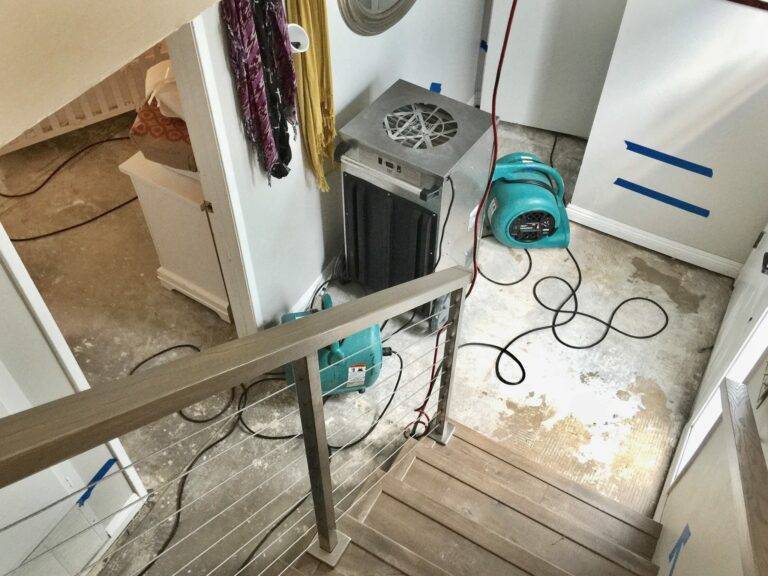
Flooding or a burst pipe? Fast drying prevents mould in the first place. See water damage restoration, or hire a commercial dehumidifier.
Why mould remediation is important
Mould is more than a stain. It releases spores that can trigger allergies and asthma, it damages building materials, and it keeps spreading for as long as moisture is present.
Mould needs moisture, warmth and something to feed on, such as plasterboard, timber, carpet or dust. Once it takes hold inside walls, ceilings or air conditioning, surface cleaning won't remove it. Professional remediation deals with the moisture, the mould and the damaged materials together.
What can happen if mould is left untreated?
- Health problems: blocked noses, coughing, wheezing, irritated eyes and skin, and worsening asthma, especially for children, older people and anyone with a weakened immune system.
- Structural damage: long-term moisture rots timber, weakens plasterboard and can attract termites.
- Odours and stained finishes that don't go away with cleaning or paint.
- Tenancy disputes: mould is one of the most common causes of complaints between tenants and landlords.
- Insurance issues: many policies exclude gradual damage, so mould from a slow leak may not be covered. Acting early limits your costs.
- Lower property value when buyers' inspectors find mould or water damage.
Frequently asked questions
Can I remove mould myself?
Small spots on hard, non-porous surfaces can often be cleaned with a damp cloth and a suitable cleaner. Larger areas, recurring mould and mould on porous materials should be handled by professionals.
Does bleach kill mould?
Bleach can lighten mould on hard surfaces but is not effective on porous materials and doesn't fix the moisture source, which is why mould often returns.
Who is responsible for mould in a rental?
It depends on the cause. Mould from leaks or building defects is usually the landlord's responsibility. Rules vary by state, so check with your tenancy authority.
How long does mould remediation take?
A single room can often be done in a day. Larger or water damaged areas may take several days including drying time.
Is black mould dangerous?
Any mould growing indoors can affect health, regardless of colour. The colour doesn't tell you how harmful it is. What matters is removing it safely and fixing the moisture source.