
Choose your location
Elsewhere in Australia? Call 1300 707 028.
Our asbestos removal procedure
Inspection and testing
Suspect material is assessed and confirmed by an accredited laboratory where needed.
Removal plan
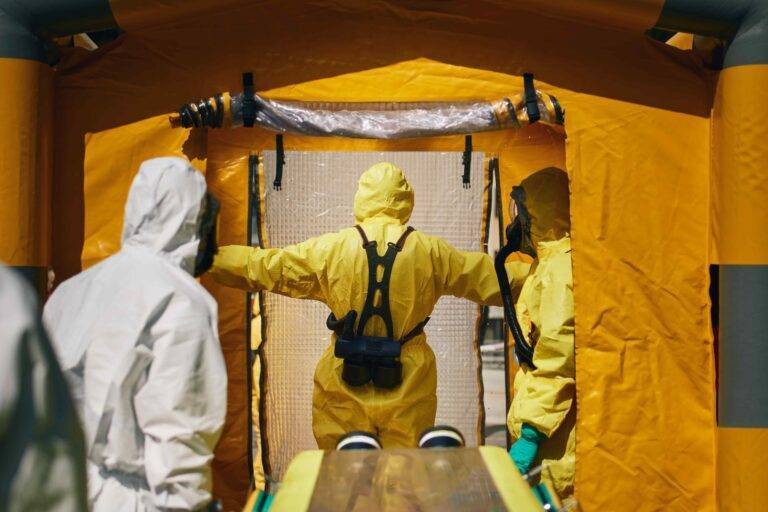
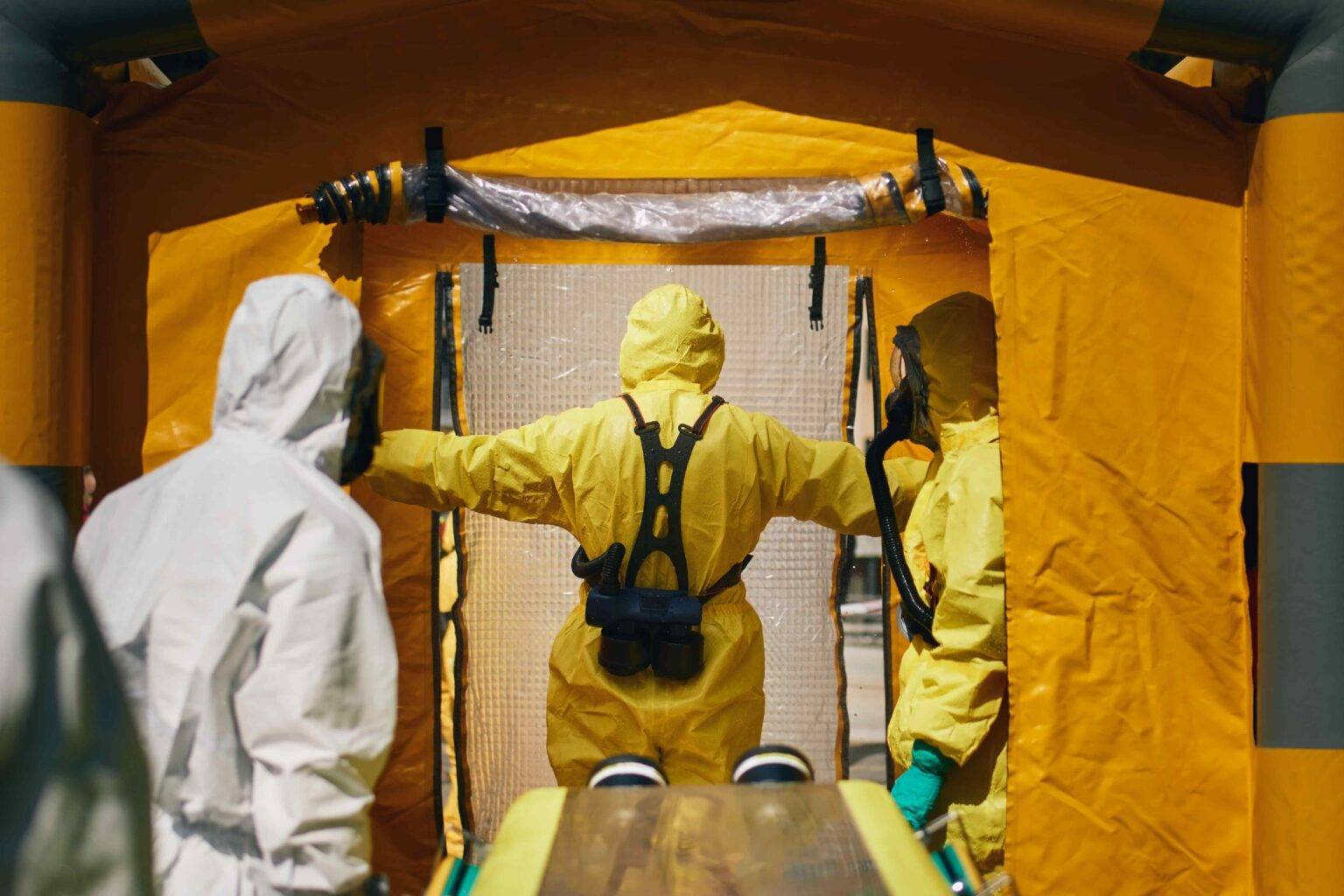
Safety controls, containment and any regulator notifications are planned.
Removal
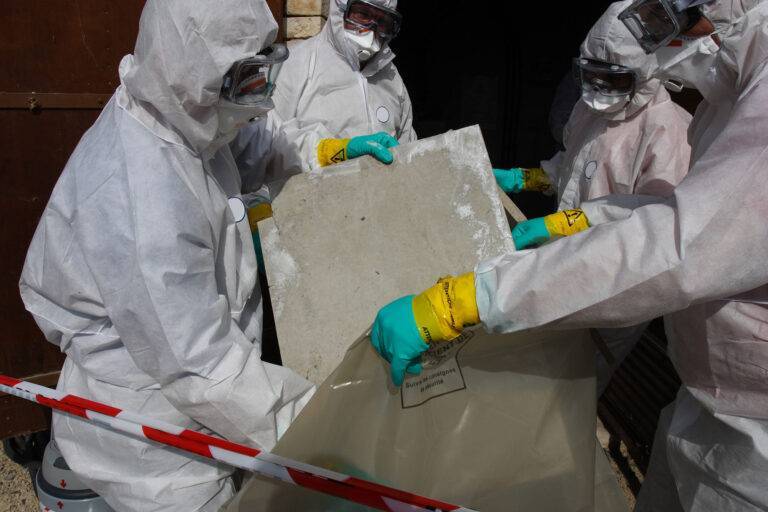
Material is wetted and removed whole wherever possible.
Disposal and clearance
Waste is taken to an approved facility and the area is cleaned and inspected.
Read more about asbestos removal.
Why asbestos is still a problem in Australian homes
Asbestos was banned nationally on 31 December 2003, but it was used widely in building products for decades before then. Homes built or renovated before 1990 are the most likely to contain it, in fibro sheeting, eaves, roofing, vinyl flooring, wet area linings and pipe lagging.
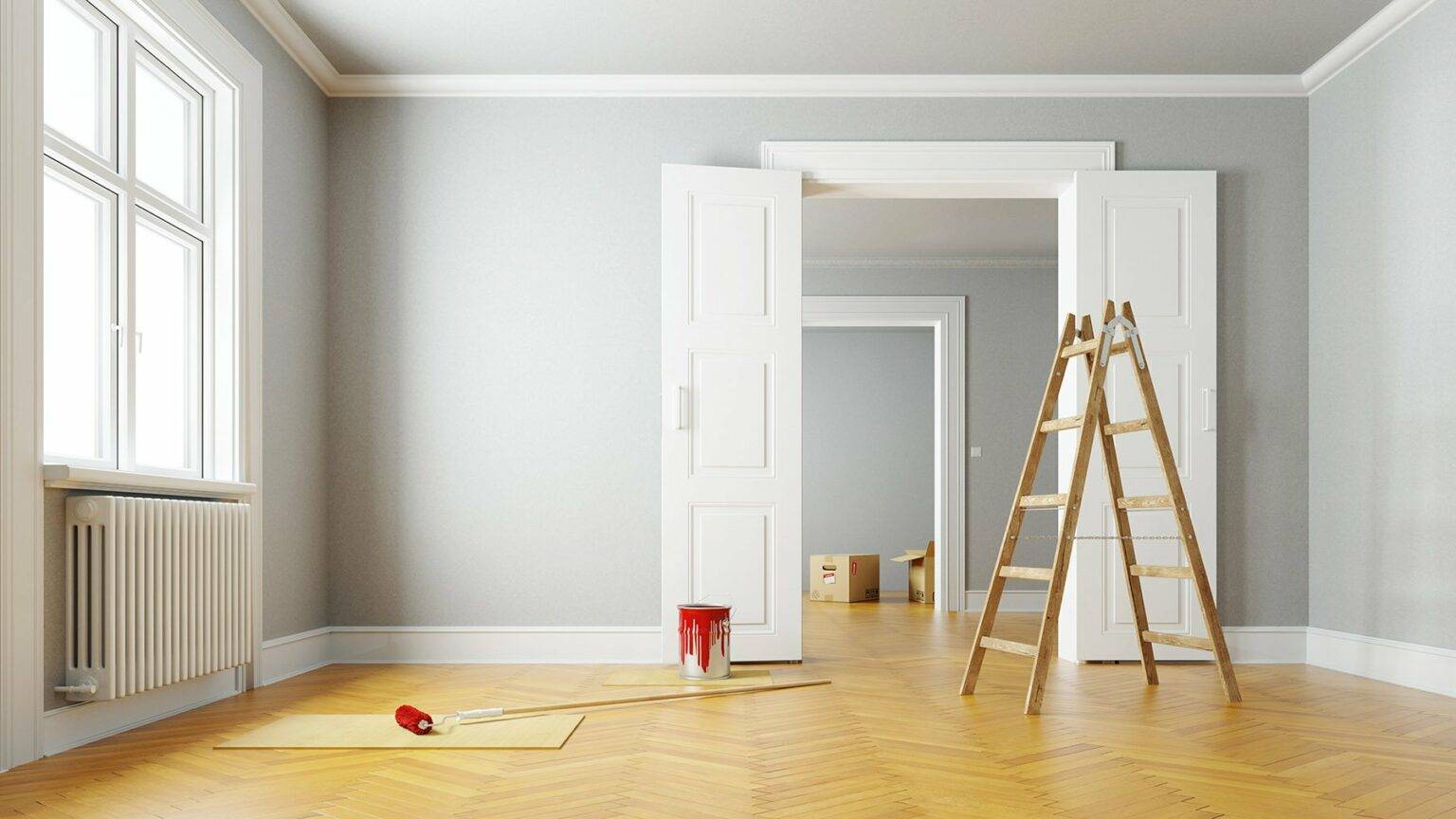
Renovations, storm damage and ageing materials are the most common ways people are exposed. Getting suspect materials tested and removed before you start work is the safest approach.
Bonded vs friable asbestos
| Type | What it is | Who can remove it |
|---|---|---|
| Bonded (non-friable) | Asbestos bound in cement or other material, such as fibro sheeting | Up to 10 m² without a licence with strict controls. More than 10 m² needs a licensed removalist. |
| Friable | Loose, crumbly or easily broken, such as pipe lagging or loose fill insulation | Only a Class A licensed removalist |
Frequently asked questions
How do I find out if my house has asbestos?
Have suspect materials sampled and tested by an accredited laboratory, especially if the house was built or renovated before 1990.
How much does asbestos removal cost?
It depends on the type and amount of asbestos, access and disposal. We provide a free written quote after assessing the job.