
Why asbestos needs professional removal
Asbestos is safe while it is intact and undisturbed. Once it is cut, drilled, sanded, broken or weathered, microscopic fibres are released. Breathing them in can cause asbestosis, lung cancer and mesothelioma, often decades later.
Asbestos was banned in Australia from 31 December 2003, but it was used widely before then. Homes built or renovated before 1990 are the most likely to contain it. Common places include:
- Fibro wall and eave sheeting
- Roofing, gutters and downpipes
- Vinyl floor tiles and the backing under old lino
- Wet area wall linings in bathrooms and laundries
- Electrical switchboard backing panels
- Pipe lagging, insulation and old heaters
- Fences, sheds and garages
Never cut, drill, sand, waterblast or break material you think may contain asbestos. Keep people and pets away from the area and call us for advice.
The rules on asbestos removal in Australia
Work health and safety laws in each state and territory set out who can remove asbestos:
| Type of asbestos | Who can remove it |
|---|---|
| Bonded (non-friable), up to 10 m² | Can be removed without a licence, but strict safety controls still apply |
| Bonded (non-friable), over 10 m² | A licensed removalist with a Class A or Class B licence |
| Friable (crumbly, loose or damaged) | Only a Class A licensed removalist |
Friable asbestos, such as loose fill insulation, pipe lagging and badly damaged sheeting, is the most dangerous because fibres release easily. Asbestos waste must be wrapped, labelled, transported and disposed of at a facility approved to accept it.
Our asbestos removal process
Inspection and identification
We assess the material, its condition and the size of the job. Samples can be sent to an independent laboratory to confirm asbestos.
Removal plan and notifications
A written plan covers safety controls, and any notifications required by the regulator in your state are lodged.
Containment
The work area is isolated and sealed where needed, with signage and controls to protect the property and neighbours.
Safe removal
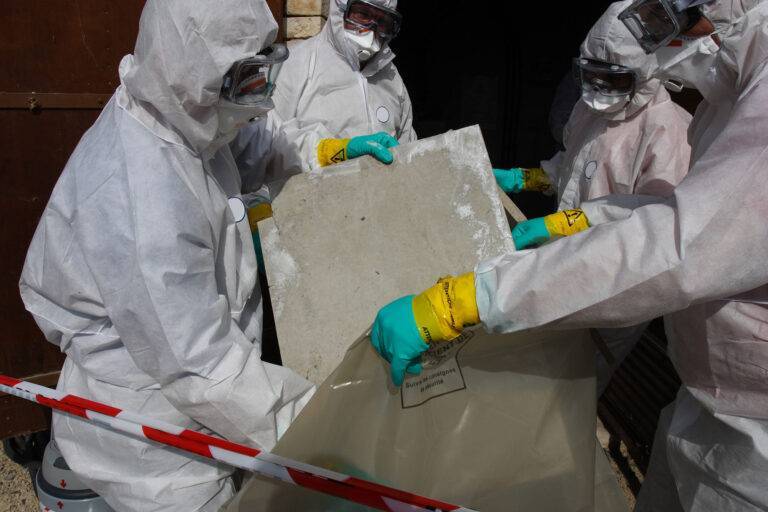
Material is wetted down and removed whole wherever possible by technicians in full protective equipment.
Disposal
Waste is double wrapped, labelled and taken to an approved disposal facility.
Clearance and restoration
The area is cleaned and inspected, then restored so it is ready to use or rebuild.
Asbestos removal near you
We remove asbestos in every state and territory. Local pages:
See all asbestos removal locations. Renovating an older home? You may also need lead paint removal or insulation removal.
Why safe asbestos removal is important
Asbestos fibres are invisible, and once they're breathed in they can stay in the lungs for life. Asbestos related diseases such as mesothelioma, asbestosis and lung cancer can take 20 to 50 years to appear, so damage done during a renovation today may not show up for decades.
Australia was one of the highest users of asbestos per person in the world before it was banned, and it still has one of the highest rates of mesothelioma. Asbestos is still present in a large share of homes built before 1990, which is why removal must be planned and controlled.
What can happen if asbestos isn't removed properly?
| Risk | What it can mean |
|---|---|
| Health | Fibres released during DIY work can expose you, your family and your neighbours. |
| Fines and penalties | Work health and safety regulators can issue penalties for unsafe or unlicensed removal and illegal dumping. |
| Wider contamination | Fibres spread through the home, garden and soil, turning a small job into a large clean up. |
| Insurance and resale | Buyers' building inspectors flag asbestos, and unsafe works can complicate insurance claims. |
| Project delays | Finding asbestos mid-renovation stops work until it is assessed and removed. |
If you've already disturbed suspected asbestos, stop work, keep people away, don't sweep or vacuum, and call us for advice.
Frequently asked questions
Can I remove asbestos myself?
Under Australian work health and safety laws, a licensed removalist is required for more than 10 m² of bonded asbestos, and friable asbestos can only be removed by a Class A licence holder. We strongly advise against any DIY removal.
How do I know if something contains asbestos?
You can't tell by looking. The only way to be sure is to have a sample tested by an accredited laboratory. If the property was built before 1990, treat suspect materials as asbestos until tested.
How much does asbestos removal cost?
Cost depends on the type and amount of asbestos, access, containment needs and disposal. Small bonded jobs cost far less than friable removal. We provide a free written quote after assessing the job.
Is asbestos dangerous if left alone?
Bonded asbestos in good condition is generally low risk if it is not disturbed. It becomes dangerous when damaged, weathered or worked on, so plan removal before renovating.
Should I have asbestos removed before renovating?
Yes. If your home was built or renovated before 1990, have suspect materials tested and removed before work starts. It's safer and usually cheaper than stopping a renovation halfway.