
What is meth contamination?
Meth contamination is invisible methamphetamine residue on walls, ceilings, carpets, furniture and air conditioning. It comes from smoking ice or from manufacturing meth, and it can remain in a property for years until it is professionally removed.
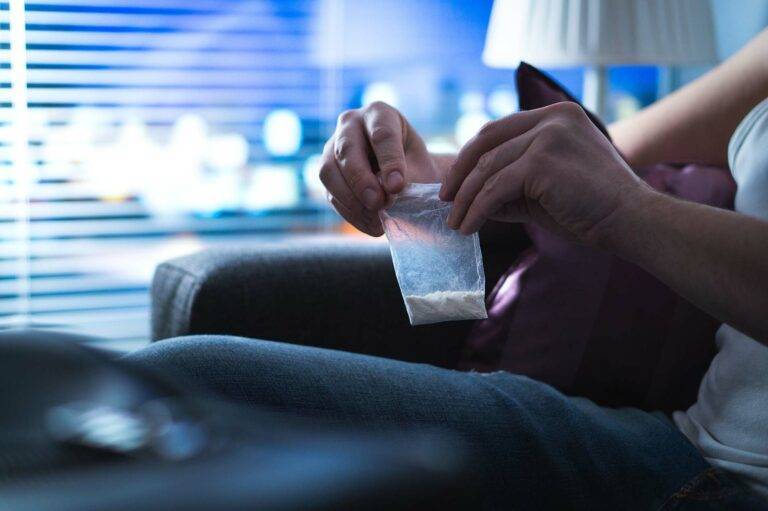
Methamphetamine, also known as ice, crystal, meth or speed, belongs to the amphetamine type stimulant family. When it is smoked, vapour settles on nearby surfaces and is absorbed into soft materials. When it is manufactured, a much wider range of toxic chemicals and by-products can also be left behind.
You can't see, smell or feel meth residue in most cases. A house can look perfectly clean and still be contaminated.
The two main sources of contamination
Use sites (smoking)
The most common cause of contamination in Australia. Repeated smoking in the same rooms leaves residue throughout the home. Rentals, short-term stays and properties with a history of tenancy problems are most often affected.
Manufacture sites (meth labs)
Former clandestine labs carry higher residue levels as well as chemicals used in the cooking process. They need more extensive remediation. See meth lab cleaning for how these jobs differ.
The two common forms
- Crystal (ice): the most potent form and the one most often smoked.
- Powder (speed): usually snorted, swallowed or injected, but still able to contaminate surfaces.
Warning signs a property may be contaminated
None of these prove contamination on their own, but several together are a reason to test:
- Unexplained yellow or brown staining on walls, ceilings or around air vents
- Burn marks or small holes in furniture and benchtops
- Lots of foil, glass pipes, lighters or small zip-lock bags left behind
- Blacked out windows, extra security cameras or unusual locks
- Strong chemical smells, such as ammonia or solvents, in former lab sites
- Frequent short visits by different people, reported by neighbours
- A tenancy that ended abruptly or after police attendance
The only reliable way to know is an independent meth residue test. Screening kits give a quick yes or no, and a detailed laboratory test shows how much residue is in each room.
Health effects of living with meth residue
Research led by Dr Jackie Wright of Flinders University found that people living in contaminated homes reported problems such as behavioural changes in children, skin irritation and trouble sleeping. Young children are most exposed because they crawl on floors and put their hands in their mouths.
Symptoms people commonly report include headaches, irritated eyes and skin, breathing problems, sleep disturbances and anxiety. If you or a family member are unwell, see your GP and let them know the property may be contaminated.
What to do if your property tests positive
Stop disturbing the property
Avoid vacuuming, sanding or steam cleaning, which can spread residue.
Get a detailed test
If you only have a screening result, organise a detailed laboratory test so the clean can be scoped room by room.
Call a specialist
Send the report to us for a written plan and fixed quote for meth decontamination.
Clean, clear and document
After the clean, an independent tester confirms the property is below 0.5 µg per 100 cm².
If you would rather not deal with the clean at all, we can buy the property as is.
What can happen if a property isn't decontaminated?
Ignoring a positive meth test, or cleaning it the wrong way, rarely makes the problem go away. It usually makes it more expensive.
| Risk | What it can mean for you |
|---|---|
| Ongoing health exposure | Occupants, especially children, keep absorbing residue through skin contact and ingestion. |
| Legal and duty of care | Landlords must provide premises fit to live in. Tenants may be able to seek remedies through their state tribunal, and businesses owe a duty of care to staff and guests. |
| Insurance complications | Many policies expect you to act promptly to limit further loss. Delays or undocumented DIY cleaning can make claims harder. |
| Lost income | A contaminated rental or short-stay property can't be safely leased, and every week empty is lost rent. |
| Lower sale price or failed settlement | Buyers increasingly test before settlement. A positive result can stall a sale, reduce the price or see the buyer walk away. |
| Council action | For former drug labs, councils can use public health powers to require remediation before the property is occupied again. |
| Spreading the contamination | Moving contaminated furniture, vacuuming with household machines or steam cleaning can spread residue to clean areas and new homes. |
Most of the expensive cases we see started as smaller problems that were left too long or cleaned incorrectly. Getting advice early almost always costs less.
Who is responsible for meth decontamination?
- Property owners are generally responsible for making their property safe, whether it's owner-occupied, rented or used for short stays.
- Landlords must provide a rental that is safe and fit to live in. Rules and remedies vary by state, so check with your tenancy authority.
- Tenants who cause contamination may be liable for the cost, and many landlord insurance policies include cover for meth damage caused by tenants.
- Sellers and agents must not mislead buyers. A known positive meth test is likely to be a material fact, so get legal advice before selling.
- Businesses such as hotels, motels and employers have work health and safety duties to staff and guests.
This is general information, not legal advice. If you're unsure of your obligations, speak to your lawyer, tenancy authority or insurer.
Frequently asked questions
Can you smell meth contamination?
Usually not. Residue from smoking is generally odourless. Former meth labs sometimes have a chemical smell, like ammonia or solvents, but most contaminated homes smell normal.
How long does meth residue last?
Meth residue can remain on surfaces for years if it isn't professionally removed. It does not simply wear off with time or normal cleaning.
Is a house safe if the meth test is positive?
A positive result means residue is present. Whether action is needed depends on the levels. Anything above 0.5 µg per 100 cm² should be remediated before people live there, especially children.
Should I test before buying or renting?
Yes, testing before purchase, before a new tenancy and between tenants is the best way to avoid inheriting a contaminated property. A screening test is quick and affordable.
Is meth contamination dangerous if it's only from smoking?
Smoking generally leaves lower residue levels than manufacturing, but repeated smoking can still push readings well above the 0.5 µg per 100 cm² guideline, particularly in bedrooms, living areas and air conditioning. Testing tells you the real levels.