
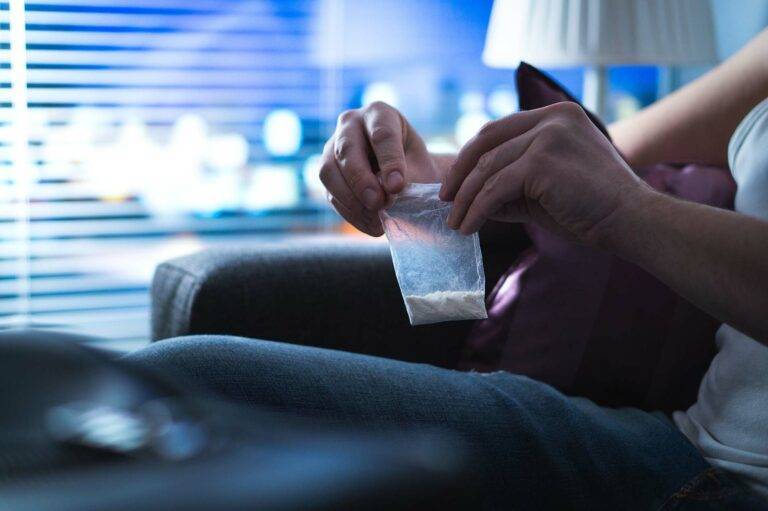
What is drug residue decontamination?
It is the professional cleaning of surfaces, soft furnishings and air systems affected by illicit drug use. The process removes residue that ordinary cleaning leaves behind and reduces the risk of accidental exposure, especially for children.
Methamphetamine is the most common drug residue we deal with, and the only one with an Australian residential remediation guideline. We also clean properties affected by heavy cannabis smoking, cocaine, opioids such as heroin and fentanyl, and other substances. For meth specifically, see meth decontamination.
Why drug residue matters
- Health: residue can transfer to skin and be ingested, which is a particular risk for babies and toddlers.
- Liability: landlords and businesses have duties to provide a safe environment for tenants, guests and staff.
- Odour and damage: heavy smoking stains surfaces and leaves odours that drive away tenants and buyers.
- Value: contamination can stall a sale or a lease until it is dealt with.
Our approach
Assessment
We review any test results and inspect the affected areas.
Safe removal
Contaminated soft items and waste, including sharps, are removed safely.
Specialist cleaning
HEPA vacuuming and chemical washdown of hard surfaces, fixtures and accessible ventilation.
Verification
Where a guideline applies, independent testing confirms the result.
We work in houses, units, rentals, hotels and motels, offices, warehouses and vehicles. Every job is handled discreetly.
Why meth decontamination is important
Meth residue doesn't wear off. It stays on walls, floors, furniture and curtains long after the people who used or made the drug have gone, and it keeps exposing whoever lives in or uses the property next. Professional decontamination is the only reliable way to remove it and prove it's gone.
Methamphetamine use in Australia is at record levels. The Australian Criminal Intelligence Commission's National Wastewater Drug Monitoring Program estimated that 15.7 tonnes of methylamphetamine were consumed in the year to August 2025, the highest since the program began in 2016. Regional areas recorded higher per capita meth use than capital cities. With that much meth being used, it's no surprise that more homes, rentals and vehicles are testing positive.
According to WA Health, meth contamination can remain on surfaces long after occupants move out, and homes where meth was manufactured carry a higher risk to health than homes where it was only smoked. Queensland's Residential Tenancies Authority notes that drug residue can be absorbed into a building's walls, ceilings, fixtures and furnishings.
Who is most at risk?
- Babies and toddlers, who crawl on floors, touch surfaces and put their hands in their mouths.
- Pregnant women and people with existing health conditions.
- Tenants and new owners who move in without knowing the property's history.
- Cleaners, tradespeople and agents who work in contaminated properties.
People living in contaminated homes have reported headaches, irritated skin and eyes, breathing problems, trouble sleeping and behavioural changes in children. Research by Dr Jackie Wright of Flinders University documented these kinds of effects in people who unknowingly lived in contaminated homes.
What can happen if a property isn't decontaminated?
Ignoring a positive meth test, or cleaning it the wrong way, rarely makes the problem go away. It usually makes it more expensive.
| Risk | What it can mean for you |
|---|---|
| Ongoing health exposure | Occupants, especially children, keep absorbing residue through skin contact and ingestion. |
| Legal and duty of care | Landlords must provide premises fit to live in. Tenants may be able to seek remedies through their state tribunal, and businesses owe a duty of care to staff and guests. |
| Insurance complications | Many policies expect you to act promptly to limit further loss. Delays or undocumented DIY cleaning can make claims harder. |
| Lost income | A contaminated rental or short-stay property can't be safely leased, and every week empty is lost rent. |
| Lower sale price or failed settlement | Buyers increasingly test before settlement. A positive result can stall a sale, reduce the price or see the buyer walk away. |
| Council action | For former drug labs, councils can use public health powers to require remediation before the property is occupied again. |
| Spreading the contamination | Moving contaminated furniture, vacuuming with household machines or steam cleaning can spread residue to clean areas and new homes. |
Most of the expensive cases we see started as smaller problems that were left too long or cleaned incorrectly. Getting advice early almost always costs less.
How to choose a meth decontamination company
Meth testing and decontamination aren't specifically regulated in Australia, and there's no mandatory national training standard. That makes it important to check how a company works before you hire it:
- Independent testing: the company cleaning your property shouldn't be the one that tests and clears it.
- A written scope: you should see exactly what will be cleaned, removed and replaced, and why.
- Recognised guidelines: work should be done to the Australian Voluntary Guidelines for the Remediation of Former Clandestine Drug Laboratory Sites and enHealth guidance.
- Clear treatment of re-cleans: ask what happens if an area fails clearance.
- Proper waste disposal: contaminated materials must go to appropriate facilities.
- Real reviews: look for genuine Google reviews from homeowners, landlords and agents.
Decon Solutions Australia ticks every one of these boxes. Read what our clients say.
Frequently asked questions
Can you clean drug residue from a car?
Yes. Vehicles can be decontaminated, including seats, carpets, headlining and air vents. Cars, vans and caravans are all common jobs.
Is there a safe level for cannabis or cocaine residue?
Australia's published residential guideline relates to methamphetamine. For other drugs, the aim is thorough removal of visible residue, odour and contaminated materials.
Do you remove needles and syringes?
Yes. Sharps are collected in approved containers and disposed of correctly as part of the job. We also offer yard remediation and sharps sweeps.
Is meth contamination dangerous if it's only from smoking?
Smoking generally leaves lower residue levels than manufacturing, but repeated smoking can still push readings well above the 0.5 µg per 100 cm² guideline, particularly in bedrooms, living areas and air conditioning. Testing tells you the real levels.
Can I live in the property while it's being decontaminated?
No. Occupants and pets should stay elsewhere during decontamination and until clearance testing confirms the property is safe.