

Does your home have lead paint?
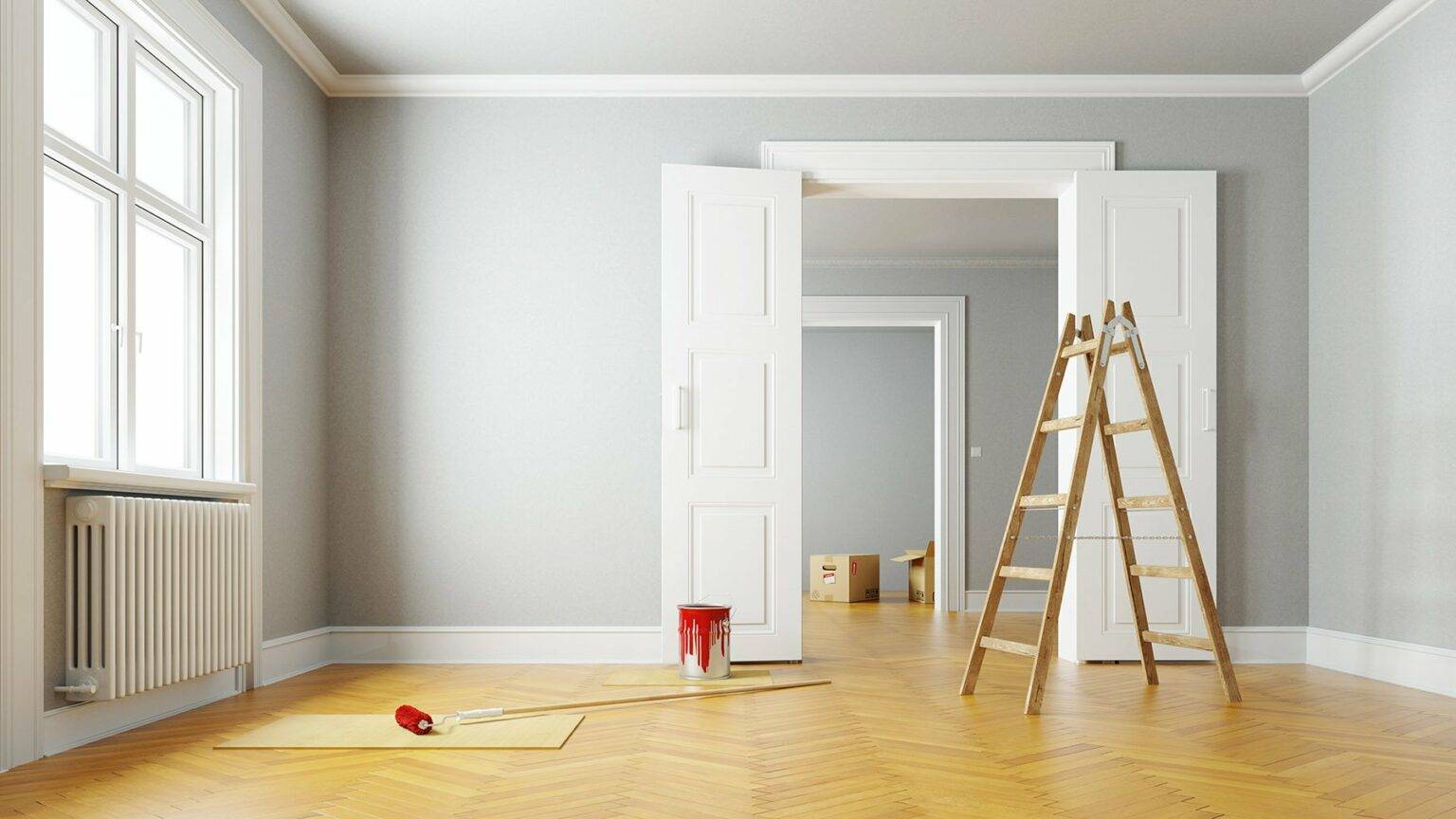
Australian homes built before 1970 are the most likely to have lead paint, which could contain up to 50% lead. Paint made before 1997 may also contain significant lead. Lead paint is often hidden under newer coats.
Lead paint is common on weatherboards, window frames, doors, skirting boards, fences, verandahs and roofs. Peeling, flaking or chalky paint on older homes is a warning sign. A lead test kit or a laboratory test of a paint chip will confirm it.
Why lead dust is dangerous
Lead is a toxic heavy metal. Dust and flakes are swallowed or breathed in, and lead builds up in the body over time. Babies, young children and pregnant women are most at risk, because lead can affect development, behaviour and learning. Adults can also experience health effects with ongoing exposure.
Never dry sand, scrape, waterblast or burn off old paint. These methods create fine lead dust and fumes that spread through the home and into the garden.
Our lead paint removal process
Assessment
We confirm where lead paint is and the condition of surfaces.
Plan and preparation
Work areas are sealed, floors and furniture protected, and occupants advised to stay out.
Controlled removal
Paint is removed with low dust methods such as wet scraping, chemical strippers or encapsulation where removal isn't needed.
Waste handling
Paint waste and debris are bagged and disposed of correctly.
Final clean
HEPA vacuuming and wet cleaning of all surfaces so the area is safe to occupy.
Lead paint removal near you
Renovating an older home? Check for asbestos before you start, as both are common in houses of the same age.
Testing for lead paint
- Home test kits give a quick indication on painted surfaces.
- Laboratory testing of a paint chip confirms whether lead is present and how much.
- Dust testing around windowsills and floors shows whether lead dust is already in the home.
- Blood lead testing through your GP is recommended if you're worried someone has been exposed. The National Health and Medical Research Council recommends investigating blood lead levels above 5 µg/dL.
Removal or encapsulation?
| Option | When it suits | Things to know |
|---|---|---|
| Encapsulation | Lead paint is intact and won't be disturbed | Sealing it under a suitable coating. Must be maintained so it doesn't chip or flake. |
| Partial removal | Only some surfaces are failing or being renovated | Targeted removal of the affected areas with dust controls. |
| Full removal | Paint is flaking widely, or major renovation is planned | The most thorough option, with containment and a full final clean. |
We'll recommend the safest, most cost-effective approach for your home.
Emergency lead paint clean up
If someone has already sanded, scraped or waterblasted old paint and dust has spread through the home or garden, act quickly:
- Keep children and pregnant women away from the area.
- Don't sweep or use a household vacuum, which spreads fine dust.
- Close off the area and turn off fans and air conditioning.
- Call us to arrange a specialist clean up with HEPA vacuuming and wet cleaning.
Why not do it yourself?
Lead paint removal looks like ordinary painting prep, which is exactly why it's risky. Dry sanding and heat guns create fine dust and fumes, standard vacuums push dust back into the air, and dust carried on clothes and shoes spreads lead into cars and other homes. Professional removal keeps the dust contained and proves the area is clean afterwards.
Why safe lead paint removal is important
Lead is a toxic metal that builds up in the body. Fine lead dust from old paint is easily swallowed or breathed in, and young children absorb lead more readily than adults.
Most lead exposure in Australian homes happens during renovation, when old paint is sanded, scraped or burnt off. Dust settles on floors, windowsills and in the garden, where children play.
What can happen if lead paint isn't handled properly?
- Health effects in children, including effects on development, learning and behaviour.
- Risks during pregnancy, as lead can pass to an unborn baby.
- Contaminated soil and gardens around the house from sanding or waterblasting.
- A bigger clean up bill when dust spreads through the home and ducting.
- Complaints from neighbours and possible action from local authorities if dust leaves the site.
Frequently asked questions
How do I test for lead paint?
Lead test kits from hardware stores give a quick indication. For certainty, send a paint chip to an accredited laboratory.
Can I paint over lead paint?
Painting over lead paint that is in good condition (encapsulation) can be an option. Flaking or damaged lead paint should be removed safely first.
Should my family move out during removal?
Children and pregnant women should stay away from the work area. For larger jobs we recommend the household stays elsewhere until the final clean is done.
How common is lead paint in Australian homes?
It's common in homes built before 1970, and paint made before 1997 may also contain lead. Many older homes have lead paint hidden under newer coats.
Can I test for lead paint myself?
Home test kits give a quick indication. For certainty, have a paint chip tested by an accredited laboratory.
What should I do if my child may have been exposed?
Speak to your GP, who can arrange a blood lead test, and avoid further exposure by keeping children away from the area.
Can lead paint be removed from outside walls and fences?
Yes, using controlled methods that keep paint debris out of gardens and soil.